The health of our planet hinges on how we manage our waste. Every discarded item, from a plastic bottle to an old appliance, contributes to a global challenge with profound Environmental Impact & Waste Management implications. Far from a simple disposal problem, waste management is a critical driver for sustainable solutions, impacting everything from the air we breathe to the oceans that sustain us.
At a Glance: Understanding Environmental Impact & Waste Management
- The Problem: Poor waste management pollutes soil, water, and air, degrades ecosystems, harms wildlife (especially marine life), and contributes significantly to climate change.
- Human Health Risks: It directly leads to increased disease, respiratory issues, cancer risks from toxic chemicals, and mental health challenges.
- Economic Burden: The global cost of waste management and its associated environmental damage is staggering, running into hundreds of billions annually.
- Sustainable Solutions: A shift from a "take-make-dispose" linear model to a circular economy is essential, focusing on reducing consumption, reusing products, and robust recycling.
- Key Practices: Implementing waste reduction, improving recycling infrastructure, investing in waste-to-energy technologies, and ensuring proper hazardous waste disposal are crucial.
- Future Forward: Advanced recycling, smart waste systems, and strong policy innovations like Extended Producer Responsibility (EPR) will define tomorrow's solutions.
- Your Role: Individual choices in consumption, recycling, composting, and advocating for policy change are powerful catalysts for positive impact.
The Unseen Burden: How Poor Waste Management Harms Our World
It’s easy to overlook what happens after we toss something into the bin. Yet, the consequences of inadequate waste management ripple through every facet of our environment, often invisibly, until the damage becomes undeniable. This isn't just about overflowing bins; it's about a fundamental threat to our ecosystems, our health, and our economic stability.
Polluting Our Planet: A Cascade of Consequences
When waste isn't properly managed, it doesn't simply disappear. It pollutes our most vital resources: soil, air, and water. This widespread contamination leads to ecosystem degradation and a tragic loss of biodiversity. Think of plastic waste, for instance, which chokes marine life, fragments into microplastics, and contaminates our food chain, affecting human health in ways we're only beginning to understand.
From plastic islands forming in our oceans to toxic leachate seeping into groundwater, the effects are widespread. Habitat loss accelerates as natural areas are converted into landfills, and the decomposition of organic waste in these landfills releases potent greenhouse gases, particularly methane, directly fueling climate change. These emissions are a significant contributor to the global warming challenge, alongside other industrial emissions. Indeed, mitigating such emissions is a focus across various sectors, even for large-scale energy infrastructure like the Sequoyah Nuclear Station, which, like many modern energy facilities, must manage its environmental footprint carefully.
A Silent Threat: The Human Health Toll
The environmental consequences of poor waste management are intrinsically linked to human well-being. Living amidst uncontrolled waste disposal sites or near facilities that burn waste can have severe health repercussions. These include the increased spread of infectious diseases from vectors thriving in waste, chronic respiratory problems due to air pollution from burning waste, and a heightened risk of cancer from exposure to released toxic chemicals like dioxins and furans.
Beyond the physical ailments, there's a significant mental health burden associated with living in polluted environments. The constant sight and smell of decaying waste, coupled with concerns over water and air quality, can lead to chronic stress and anxiety, diminishing overall quality of life. It’s a stark reminder that environmental health is inseparable from human health.
Counting the Cost: The Economic Drain
The financial implications of environmental degradation due to poor waste management are substantial, placing an immense burden on global economies. The World Bank estimates the global cost of waste management itself at $200 billion annually, but this figure doesn't even fully capture the broader economic damage. The degradation of ecosystems, for example, leads to a loss of vital services like clean water and fertile soil, valued at around $100 billion.
Poor waste practices also inflict considerable damage on infrastructure, costing an estimated $50 billion as waterways clog and public spaces are defaced. Industries like tourism and recreation suffer losses of approximately $20 billion due to polluted natural attractions. Crucially, the direct health costs associated with treating diseases and conditions linked to environmental pollution add another $30 billion. These figures underscore that waste isn't just an environmental problem; it's an economic drain demanding urgent, comprehensive solutions.
Beyond Landfills: Embracing Sustainable Waste Management
The traditional "out of sight, out of mind" approach to waste is no longer viable. We must transition to sustainable waste management practices that prioritize minimizing environmental impacts at every stage. This involves a multi-pronged strategy encompassing waste reduction, robust recycling, innovative waste-to-energy technologies, and ultimately, responsible disposal.
The Power of Prevention: Reduce, Reuse, Rethink
The most effective waste management strategy begins long before an item is discarded: it starts with prevention. Waste reduction and reuse are critical foundational steps in minimizing environmental impact. By simply consuming less, reusing products, and choosing items designed for durability, we significantly lessen the burden on our planet.
Effective strategies include personal choices like avoiding single-use plastics, opting for products with minimal or compostable packaging, and repairing items instead of replacing them. On a larger scale, implementing waste reduction policies, encouraging businesses to adopt reusable packaging, and promoting community-level repair initiatives can create systemic change. Extended Producer Responsibility (EPR) policies, which hold manufacturers accountable for the entire lifecycle of their products, are powerful tools for incentivizing product design that minimizes waste from the outset.
Closing the Loop: The Essential Role of Recycling
Recycling is a cornerstone of sustainable waste management, diverting valuable materials from landfills and giving them new life. By transforming used items into raw materials for new products, recycling conserves natural resources, reduces energy consumption, and significantly lowers greenhouse gas emissions compared to manufacturing from virgin materials. It eases the strain on landfills, extending their lifespan and reducing the need for new sites.
However, recycling isn't without its challenges. Contamination of recyclables (often due to "wishcycling") can render entire batches unusable, sending them to landfills. A lack of standardization in recycling guidelines across different regions also creates confusion. Fortunately, technological innovations are addressing these hurdles. AI, machine learning, and robotics are revolutionizing sorting facilities, improving efficiency, accurately identifying contaminants, and automating tasks. Blockchain technology is even enhancing transparency throughout the recycling supply chain, helping to ensure materials are genuinely recycled.
From Trash to Treasure: Waste-to-Energy Solutions
When waste cannot be reduced, reused, or recycled, waste-to-energy (WtE) technologies offer a pathway to manage residuals while generating valuable resources. These solutions transform non-recyclable waste into usable energy, often electricity or heat, providing a more sustainable alternative to landfilling.
Key WtE technologies include:
- Incineration: This controlled process burns waste at high temperatures, reducing its volume significantly and generating steam that can power turbines for electricity production. Modern incineration plants are equipped with advanced emissions control systems to minimize air pollution.
- Anaerobic Digestion: This biological process breaks down organic waste (like food scraps and agricultural waste) in the absence of oxygen, producing biogas (a mixture of methane and carbon dioxide). The biogas can then be captured and used as a renewable energy source.
- Gasification: A thermal process that converts carbonaceous materials (including waste) into synthetic gas (syngas) at high temperatures with a controlled amount of oxygen. Syngas can be used to generate electricity or as a feedstock for chemicals and fuels.
The benefits of WtE are clear: reduced waste volumes, fewer landfill requirements, generation of renewable energy, and a reduction in greenhouse gas emissions compared to methane-producing landfills. These facilities also create jobs and contribute to local energy independence.
Smart Disposal: What Happens When Waste Can't Be Recycled
Despite our best efforts in reduction, reuse, and recycling, some waste will always remain. For this residual material, proper disposal is critical to prevent pollution and protect both environmental and human health. The goal is to isolate waste effectively, minimizing its long-term impact.
Modern sanitary landfills are a far cry from open dumps. They are engineered facilities designed to contain waste, preventing the escape of pollutants. Key features include:
- Liner Systems: Multiple layers of synthetic materials and compacted clay prevent leachate (liquid that has passed through solid waste) from contaminating groundwater.
- Leachate Collection Systems: Pipes and pumps collect leachate, which is then treated to remove contaminants.
- Gas Collection Systems: These systems capture methane and other gases produced by decomposing organic waste. This captured gas can often be flared (burned off) or, even better, converted into electricity, further contributing to renewable energy generation.
In addition to sanitary landfills, proper handling and storage of hazardous waste (e.g., medical waste, industrial chemicals, batteries, electronics) are paramount. This involves specialized collection, treatment, and disposal methods to neutralize or contain dangerous substances, preventing their release into the environment. Rigorous monitoring and regulation are essential across all proper disposal practices to ensure compliance and protect public health.
A Holistic Vision: The Circular Economy in Action
True sustainable waste management demands more than just better disposal; it requires a fundamental shift in how we design, produce, and consume goods. This is where the concept of the circular economy comes into play—a holistic approach that redefines our relationship with materials.
Breaking Free from "Take-Make-Dispose"
For too long, our economic model has been linear: we "take" raw resources, "make" products, and then "dispose" of them when they're no longer needed. This unsustainable "take-make-dispose" model is a primary driver of environmental degradation. It leads to overflowing landfills, which are significant contributors to greenhouse gas emissions (especially potent methane), contaminate soil and water, and accelerate the depletion of precious natural resources.
Consider the lifecycle of a plastic bottle. Its environmental cost begins with the energy-intensive extraction of fossil fuels, continues through manufacturing and transportation, and culminates in disposal where it pollutes marine life and persists in the environment for centuries. This linear pathway is inherently wasteful and environmentally damaging.
Designing for Longevity: Principles of the Circular Economy
A circular economy offers a transformative alternative. Instead of seeing products as having a finite lifespan, it focuses on designing them for durability, repairability, and recyclability. The core idea is to keep materials and products in use for as long as possible, minimizing reliance on virgin resources and drastically reducing waste.
This involves:
- Source Reduction: Preventing waste from being created in the first place through thoughtful product design and sustainable consumption habits.
- Reuse: Encouraging the repeated use of products or their components, extending their utility.
- Repairability: Designing products that can be easily fixed, preventing premature disposal.
- Effective Recycling: Ensuring materials can be efficiently recovered and reprocessed into new products at the end of their useful life.
By embracing these principles, we can significantly lessen environmental impact, create new economic opportunities, and build a more resilient, sustainable future.
Beyond the Bin: Composting and Other Essentials
While reduction, reuse, and recycling form the backbone of a circular economy, a truly effective waste management strategy is holistic, incorporating several other crucial practices that often get overlooked.
The Magic of Organics: Composting's Benefits
Composting is a powerful, natural process for managing organic waste, such as food scraps, yard waste, and other biodegradable materials. Instead of sending these organics to landfills where they decompose anaerobically and produce methane (a potent greenhouse gas), composting transforms them into nutrient-rich soil amendment. This "black gold" enriches soil, reduces the need for chemical fertilizers, improves water retention, and supports healthier plant growth. Composting diverts a substantial portion of residential and commercial waste, making it a critical tool in reducing landfill burden and mitigating climate change.
Responsible Disposal Practices Revisited
Even with the best circular economy strategies, some waste will always require disposal. Modern, responsible disposal methods are paramount. As discussed, contemporary landfills are engineered to be sanitary, featuring leachate collection and methane capture systems. The captured methane, far from being a liability, can be converted into electricity, transforming a waste product into a source of renewable energy. Waste-to-energy incineration, when equipped with advanced emissions controls, offers another alternative, significantly reducing waste volume while generating power. The key across all these methods is vigilant monitoring and strict regulatory oversight to minimize environmental harm.
Empowering Change: Policies, Tech, and You
The journey toward sustainable waste management is dynamic, constantly evolving with new ideas, technologies, and collective actions. The future hinges on our ability to embrace these advancements and foster a culture of responsibility at every level.
The Horizon: Emerging Technologies & Smart Solutions
Innovation is a powerful engine for improving waste management. New technologies are rapidly advancing our capabilities, offering more efficient, effective, and environmentally sound ways to handle waste.
- Advanced Recycling: Beyond traditional mechanical recycling, chemical recycling breaks down plastics into their original monomers or other basic chemicals, allowing for the creation of new, high-quality plastics. This is particularly promising for "hard-to-recycle" plastics. Biodegradable plastics are also evolving, though careful consideration of their degradation conditions (e.g., industrial composting vs. home composting) is crucial.
- Smart Waste Management Systems: The integration of sensors, data analytics, and the Internet of Things (IoT) is transforming waste collection. Smart bins can signal when they are full, optimizing collection routes and reducing fuel consumption and emissions. Data analytics can provide insights into waste generation patterns, helping cities and businesses refine their strategies.
- AI and Robotics: As mentioned, AI-powered sorting machines are becoming incredibly precise, identifying and separating materials with speed and accuracy far exceeding human capabilities, minimizing contamination in recycling streams. Robotics can handle hazardous materials or perform repetitive tasks efficiently.
- Next-Gen Waste-to-Energy: Beyond conventional incineration, advanced gasification and plasma gasification technologies can convert mixed waste into syngas at extremely high temperatures, offering cleaner energy production with reduced emissions.
These emerging technologies are not just theoretical; they are becoming practical tools that promise to make waste management vastly more sustainable and efficient.
Driving Progress: Policy Innovation & Extended Producer Responsibility
Technological advancements alone aren't enough; they must be supported by robust policy and regulatory frameworks. Governments play a critical role in shaping the landscape of waste management, fostering innovation, and ensuring accountability.
- Extended Producer Responsibility (EPR) Policies: A cornerstone of policy innovation, EPR shifts the financial and physical responsibility for a product's end-of-life management from municipalities and taxpayers to the producers themselves. This incentivizes manufacturers to design products that are more durable, repairable, and recyclable, reducing the overall environmental impact of their goods. It often involves producers financing collection and recycling infrastructure.
- Recycling Mandates and Incentives: Governments can set targets for recycling rates, mandate the separation of recyclables, and offer incentives (like tax breaks or grants) for businesses and communities that invest in recycling infrastructure or use recycled content in their products.
- Landfill Taxes: Imposing taxes on waste sent to landfills makes landfilling more expensive, encouraging diversion to recycling, composting, or waste-to-energy facilities.
- Single-Use Plastic Bans: Many jurisdictions are implementing bans or restrictions on problematic single-use plastics (e.g., bags, straws, cutlery) to curb pollution at the source.
- Circular Economy Frameworks: Beyond individual policies, governments are increasingly adopting broader circular economy strategies that integrate product design, consumption, and waste management across multiple sectors.
- Public Awareness Campaigns: Educating citizens about the importance of proper waste management, recycling guidelines, and waste reduction strategies is crucial for success, ensuring that policies translate into actionable behavior.
These policy innovations provide the necessary structure and incentives to move societies toward more sustainable waste practices.
Your Role in the Solution: Individual & Community Action
While policies and technologies pave the way, the cumulative actions of individuals and communities are the true engine of change. Every choice we make, no matter how small, contributes to the larger picture of Environmental Impact & Waste Management.
- Conscious Consumption: Be mindful of what you buy. Prioritize products with minimal packaging, choose durable goods, and support brands committed to sustainability. Ask yourself: "Do I truly need this?"
- Diligent Participation: Actively participate in recycling and composting programs available in your area. Understand local guidelines to avoid "wishcycling" and ensure your efforts are effective.
- Embrace Reuse: Invest in reusable bags, water bottles, and coffee cups. Repair items when they break, or find new uses for old objects. Consider donating unwanted goods to extend their lifespan.
- Reduce Food Waste: Plan meals, store food properly, and compost scraps. Food waste is a major contributor to landfill methane emissions.
- Advocate for Change: Support policies and initiatives that promote sustainable waste management. Engage with local government, participate in community clean-ups, and encourage businesses to adopt greener practices. Share your knowledge with friends and family.
Your individual actions, multiplied across communities, have an immense collective power to drive a more sustainable future.
Your Waste Management FAQs: Clear Answers
You've got questions, and we've got answers. Here’s a quick rundown of common queries to help you navigate the world of waste management with confidence.
What are common items found in landfills?
Common landfill waste includes food waste, paper and cardboard (often contaminated or non-recyclable), plastics (especially single-use items not designed for recycling), textiles, and construction and demolition debris. Organic waste, like food and yard scraps, is particularly problematic as it generates methane in landfills.
How can I reduce household waste?
Start by avoiding single-use plastics, choosing products with minimal or compostable packaging, and composting food scraps. Repair broken items instead of replacing them, donate unwanted but still usable goods, and opt for reusable alternatives like cloth bags and water bottles.
What's the difference between single-stream and multi-stream recycling?
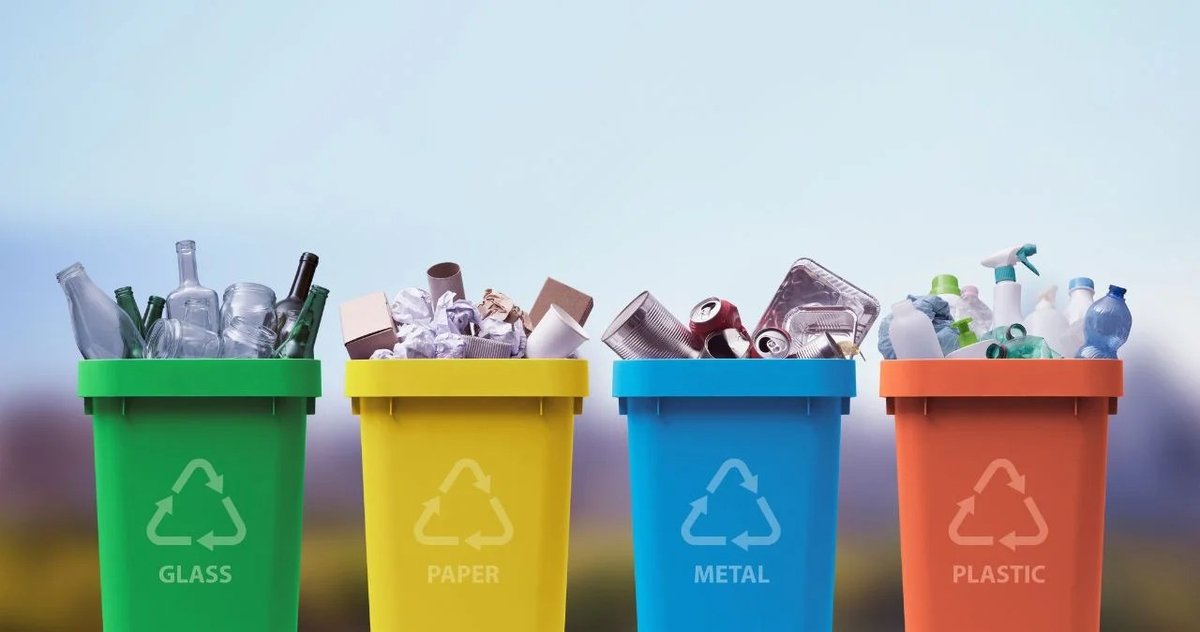
Single-stream recycling combines all recyclables (paper, plastic, glass, metal) into one bin for collection. It's convenient but can lead to higher contamination rates. Multi-stream recycling requires you to separate different materials into designated bins (e.g., paper in one, plastic in another). This typically results in less contamination and higher quality recycled materials.
What is "wishcycling" and why is it harmful?
"Wishcycling" is the act of placing items into the recycling bin in the hope that they are recyclable, even if you're unsure. This often includes non-recyclable materials that contaminate the entire recycling stream, increasing processing costs and sometimes causing entire batches of otherwise good recyclables to be sent to landfills. Always check local guidelines!
What are the benefits of using recycled materials?
Using recycled materials significantly reduces the need for virgin resources, conserves energy (as manufacturing from recycled content often requires less energy than from raw materials), lowers greenhouse gas emissions, and eases the strain on landfills.
How can businesses reduce waste effectively?
Businesses can conduct waste audits to identify waste hotspots, implement comprehensive recycling programs, use reusable or returnable packaging for their products and supply chains, source sustainable and recycled materials, and reduce food waste through better inventory management and donation programs.
What is Extended Producer Responsibility (EPR)?
EPR is a policy approach where producers are made responsible for the entire lifecycle of their products, including their end-of-life management. This incentivizes them to design more durable, repairable, and recyclable products, often requiring them to finance collection and recycling systems.
What innovative technologies are improving waste management?
Innovations include AI-powered sorting robots for recycling, advanced chemical recycling processes for complex plastics, anaerobic digestion for organic waste, plasma gasification for mixed waste, and smart waste management systems using sensors and data analytics to optimize collection.
How can governments encourage better waste management?
Governments can implement recycling mandates, levy landfill taxes, establish EPR schemes, enforce single-use plastic bans, and run public awareness campaigns. They can also invest in recycling infrastructure and promote circular economy policies.
What role does composting play?
Composting is crucial for diverting organic waste from landfills, which significantly reduces methane emissions. It also creates a valuable soil amendment that enriches soil, reduces the need for chemical fertilizers, and promotes soil health.
How can I identify recyclable products?
Look for the universally recognized recycling symbol (three chasing arrows) usually with a number inside. However, this symbol only indicates the type of plastic or material, not necessarily that it's recyclable in your specific area. Always cross-reference with your local recycling program's guidelines, as acceptable materials vary widely.
What are the long-term consequences of ineffective waste management?
Long-term consequences include overflowing landfills, increased greenhouse gas emissions (contributing to climate change), widespread soil and water contamination, depletion of natural resources, severe harm to wildlife (especially marine life), and persistent human health risks.
Charting a Sustainable Path Forward
The journey toward truly sustainable waste management is not a simple one, but it is undeniably critical for our collective future. The profound Environmental Impact & Waste Management has on our planet, our health, and our economies demands immediate and sustained action. We've moved past the point where we can afford to ignore the consequences of a linear "take-make-dispose" model.
The solutions are multifaceted, spanning from individual choices in consumption and diligent recycling to groundbreaking technological innovations and robust policy frameworks like Extended Producer Responsibility. Embracing a circular economy—where waste is designed out, and resources are kept in use—is no longer an idealistic goal but an urgent necessity.
Every step matters: reducing your personal waste footprint, participating actively in local recycling and composting programs, supporting businesses and policies that prioritize sustainability, and advocating for systemic change. By acting collectively and with intent, we can transform our relationship with waste, mitigating environmental harm and driving the sustainable solutions that will define a healthier, more resilient world for generations to come. The future of our planet is, quite literally, in our hands—and in how we manage what we choose to discard.