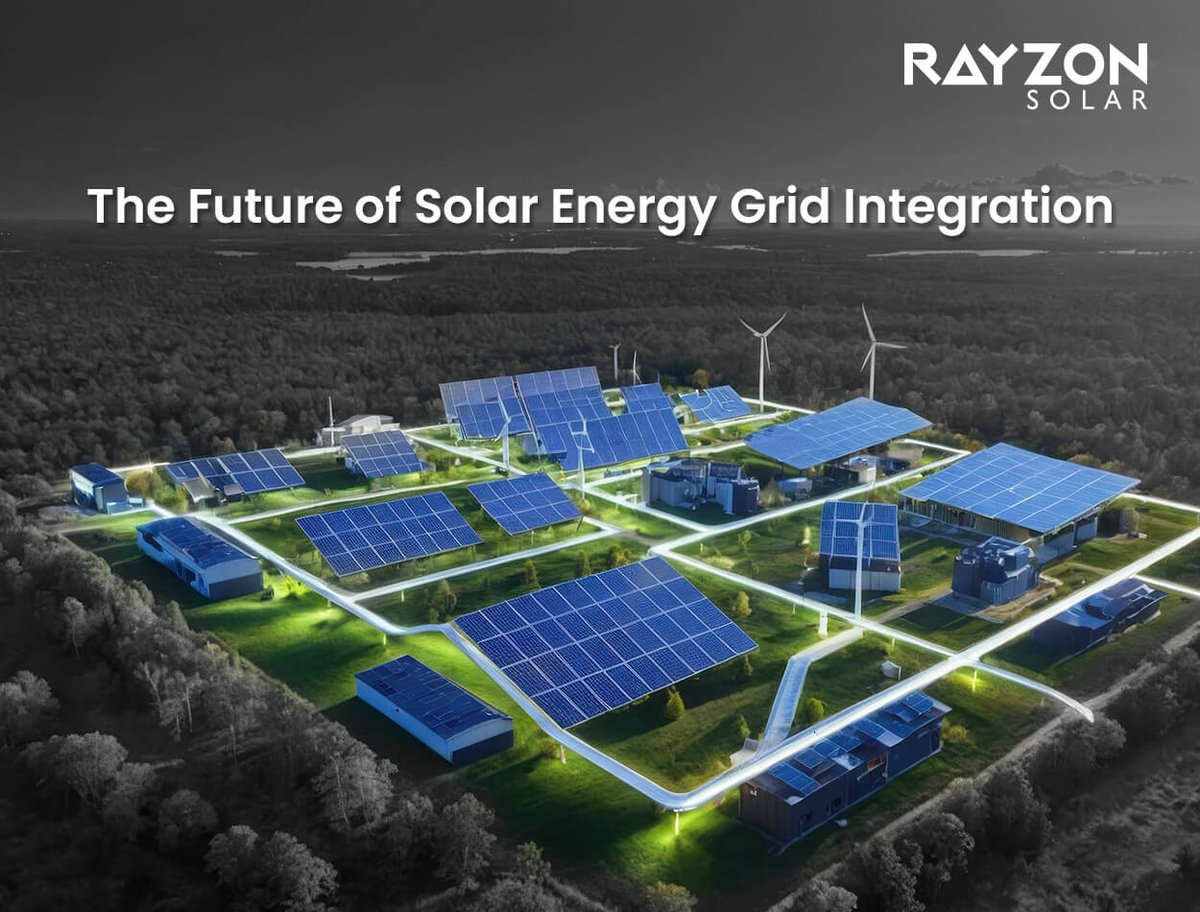
The hum of our lives – from the coffee maker’s morning brew to the data centers powering global communication – all depend on a robust, reliable supply of electricity. But the way we produce and deliver that power is undergoing a massive transformation. We’re moving beyond a century-old model, facing challenges like aging infrastructure, increasing demand, and the urgent need to integrate cleaner energy sources. This shift is where the critical field of Energy Production & Grid Integration comes into sharp focus, defining how we’ll keep the lights on and power our future sustainably.
It’s not just about generating more electricity; it’s about making sure every watt, whether from a distant wind farm or a rooftop solar panel, works seamlessly within a complex, interconnected system. This guide will walk you through the intricate dance of energy production and its integration into a modern, resilient power grid, providing clear insights into the technologies, challenges, and groundbreaking initiatives shaping our energy destiny.
At a Glance: Securing Our Energy Future
- The Grid is Changing: Our traditional, centralized power grid is evolving to incorporate diverse, often intermittent, energy sources.
- Resilience is Key: Modern grid technologies are crucial for withstanding natural disasters, cyber threats, and unexpected disruptions.
- Integration is Complex: Seamlessly adding renewable energy, battery storage, and smart devices requires advanced planning and sophisticated controls.
- Smart Systems Are the Answer: Technologies like Advanced Distribution Management Systems (ADMS) and microgrids are vital for optimizing energy flow and enhancing local reliability.
- Collaboration Drives Progress: Initiatives like the U.S. Department of Energy's Grid Modernization Initiative (GMI) bring together experts to innovate and deploy future-proof solutions.
- Everyone Plays a Role: From utilities to homeowners, understanding grid integration helps empower smarter energy decisions.
The Evolution of the Electric Grid: From Centralized to Dynamic
For decades, our electricity system operated on a relatively simple principle: large, centralized power plants generated electricity, which was then sent unidirectionally through transmission lines to substations and, finally, to homes and businesses. This model, while historically effective, wasn't built for the complexities of the 21st century.
Today, the energy landscape is radically different. We're seeing an explosion in distributed energy resources (DERs) – everything from rooftop solar arrays and wind turbines to electric vehicle charging stations and residential battery storage. This paradigm shift means electricity isn't just flowing one way; it's a dynamic, two-way street, with power being generated, consumed, and even shared across the grid at various points.
This decentralization, while offering immense potential for cleaner energy and localized resilience, also introduces significant challenges. How do you maintain stability when a cloud passes over a solar farm, or when thousands of EVs suddenly plug in? This is precisely where the "integration" aspect of energy production and grid management becomes paramount.
The Modern Grid Imperative: Why We Can't Afford to Wait
The U.S. Department of Energy's (DOE) Grid Modernization Initiative (GMI) didn't emerge from a vacuum. It's a direct response to a stark reality: our current grid, while a marvel of engineering, simply lacks the inherent attributes needed to meet 21st-century demands. Think about it: our infrastructure is aging, extreme weather events are becoming more frequent, and the demand for clean, reliable power is only growing.
The GMI's vision is clear: to build a future grid that is not just robust, but also:
- Resilient: Capable of anticipating, withstanding, and rapidly recovering from disruptions.
- Reliable: Consistently delivering power when and where it's needed.
- Flexible: Able to adapt to variable energy sources and shifting demands.
- Secure: Protected from cyberattacks and physical threats.
- Sustainable: Designed to incorporate a high percentage of renewable and low-carbon energy.
- Affordable: Providing cost-effective electricity for all.
This isn't just an aspiration; it's a strategic necessity. As the nation transitions towards a lower carbon, clean energy future, the energy system needs more integrated energy sources to meet increased demand from buildings, industry, and transportation. The DOE's Office of Energy Efficiency and Renewable Energy (EERE) and Office of Electricity (OE) are leading the charge, leveraging a network of technology offices and industry partners across the U.S. clean energy economy to make this vision a reality. This collaborative effort helps us understand the future of renewable energy and how it can be seamlessly integrated.
Bridging the Gap: How Advanced Technologies Make Integration Possible
Seamless integration isn't magic; it's the result of cutting-edge research, advanced simulation, and real-world testing. Facilities like the National Renewable Energy Laboratory's (NREL) Energy Systems Integration Facility (ESIF) are at the forefront, tackling complex computational and data analysis problems related to how various energy technologies impact transmission and distribution power systems.
The ESIF offers crucial platforms that simulate, test, and optimize the integration of diverse energy resources:
1. The Advanced Distribution Management System (ADMS) Test Bed
Imagine a highly intelligent traffic control system, but for electricity. That's essentially what an ADMS does for power distribution. The ESIF's ADMS Test Bed doesn't just theorize; it simulates power distribution systems with actual software and hardware. This allows utilities and vendors to demonstrate precisely how their systems and controls perform in realistic grid scenarios, without risking real-world disruptions.
What it Solves:
- Reliability: Ensuring consistent power delivery even with fluctuating renewable inputs.
- Power Quality: Maintaining stable voltage and frequency for sensitive equipment.
- Energy Use Optimization: Balancing supply and demand efficiently.
- Data Security: Protecting the grid from malicious cyber intrusions.
- Resilience: Rapidly detecting and isolating faults, then rerouting power to minimize outages.
By providing a safe, controlled environment for experimentation, the ADMS Test Bed helps accelerate the deployment of smarter, more resilient local grids, paving the way for the multifaceted benefits of smart grids across the country.
2. The Microgrid Evaluation Platform
Microgrids are small, localized power grids that can operate either connected to the main grid or "islanded" entirely on their own. Think of them as localized energy fortresses, designed to keep critical infrastructure and communities powered even when the main grid goes down.
The ESIF provides a megawatt-scale platform where utilities can connect and simulate their microgrids. This hands-on evaluation allows them to:
- Improve Customer Reliability: Ensuring essential services stay online during emergencies.
- Reduce Costs: Optimizing energy use and potentially lowering energy bills for participants.
- Enhance Resilience: Providing a critical shield against grid disturbances, from natural disasters to equipment failures.
Microgrids are a cornerstone of modern grid integration, empowering communities with greater energy independence and security. They highlight the role of Distributed Energy Resources in enhancing local power security.
3. The Residential Battery Experimentation Platform
The rise of residential battery storage is a game-changer, but integrating thousands, even millions, of these small-scale systems into the larger grid presents new challenges and opportunities. NREL's Residential Battery Experimentation Platform offers stakeholders invaluable insights into battery performance across various uses:
- Backup Power: Keeping lights on during outages.
- Self-Consumption: Storing solar power generated during the day for use at night.
- Arbitrage: Charging batteries when electricity is cheap and discharging when it's expensive.
This platform isn't just theoretical; it replicates all aspects of a residential battery system, including varying utility rate designs and real-time state-of-charge monitoring, for any vendor and in any climate. It connects consumer battery performance directly with life-cycle economic value and customer interests, offering remote access and automated control for efficient experimentation. This is crucial for understanding how individual homeowner choices can collectively strengthen the entire grid.
Challenges on the Path to a Fully Integrated Grid
While the vision for a modern, integrated grid is compelling, the journey is fraught with complexities.
1. Intermittency of Renewable Energy
Solar and wind power are clean and abundant, but they're also intermittent – the sun doesn't always shine, and the wind doesn't always blow. Integrating large amounts of these variable resources requires sophisticated forecasting, energy storage solutions, and flexible demand-side management to maintain grid stability.
2. Aging Infrastructure
Much of our existing transmission and distribution infrastructure was built decades ago, designed for a different era of energy production. Modernizing or replacing these components is a massive undertaking, requiring substantial investment and careful planning.
3. Cybersecurity Risks
A "smarter" grid is also a more interconnected grid, which inherently increases its vulnerability to cyberattacks. Protecting the complex digital controls and communication networks that manage the flow of electricity is paramount. Safeguarding our grid against sophisticated attacks is a growing concern, making cybersecurity threats to our power grid a top priority for researchers and operators alike.
4. Data Management and Analytics
The integrated grid generates an unprecedented volume of data from sensors, smart meters, and distributed resources. Harnessing this "big data" through advanced analytics is key to optimizing grid operations, predicting failures, and enabling new services, but it also requires robust infrastructure and skilled personnel.
5. Regulatory and Market Frameworks
Existing regulations and market structures were largely designed for a centralized grid. Adapting these frameworks to accommodate distributed energy resources, new grid services, and evolving business models is a slow but essential process.
The Role of Diverse Energy Sources in a Modern Grid
An integrated grid doesn't solely rely on one type of energy. A truly resilient and sustainable energy future requires a diverse portfolio. While renewables are growing rapidly, stable, always-on sources provide foundational power. For instance, facilities like the Sequoyah Nuclear Plant continue to provide crucial baseload power that ensures grid stability regardless of weather conditions or time of day. The challenge lies in integrating all these sources – conventional, renewable, and emerging – into a cohesive, optimized system.
Common Questions & Misconceptions About Grid Integration
As journalists, we hear a lot of questions and sometimes, outright myths about grid modernization. Let's clear some of them up.
Q: Will relying more on renewables make my power less reliable?
A: Not necessarily. While individual renewable sources can be intermittent, grid integration strategies like energy storage, advanced forecasting, diversified energy portfolios (mixing solar, wind, hydro, etc.), and smart grid technologies are specifically designed to manage variability and maintain overall reliability. In many cases, technologies like microgrids can enhance local reliability during grid-wide outages.
Q: Is a "smart grid" just about putting smart meters in homes?
A: Smart meters are one component, but a smart grid is far more comprehensive. It involves a vast network of sensors, advanced communication technologies, automated controls, and sophisticated software that monitors and manages the entire electricity system, from generation to consumption. It's about creating an intelligent, self-healing, and adaptive power system.
Q: Is grid modernization just too expensive?
A: While significant upfront investment is required, the long-term benefits often outweigh the costs. Grid modernization enhances resilience (reducing outage costs), improves efficiency (saving energy), and enables the integration of lower-cost renewable energy. The cost of not modernizing – in terms of economic losses from outages, environmental impact, and missed opportunities for innovation – is arguably far greater.
Q: Does grid integration mean I have less control over my energy?
A: Quite the opposite. Many grid integration strategies, especially those involving distributed energy resources and demand-side management, can give consumers more control. For example, you might be able to manage your smart thermostat to reduce energy use during peak times, participate in virtual power plants with your home battery, or monitor your energy consumption in real-time.
Your Role in Tomorrow's Power Grid
The future of Energy Production & Grid Integration isn't solely in the hands of engineers, utilities, or policymakers. As consumers, businesses, and communities, your choices and awareness play a significant role.
- Stay Informed: Understanding how the grid works and the benefits of modernization empowers you to make smarter energy decisions.
- Embrace Smart Technologies: Consider smart thermostats, energy management systems, or even residential solar and storage if they fit your needs. These tools contribute to a more flexible and responsive grid.
- Support Policy: Advocate for policies that promote grid modernization, renewable energy integration, and robust cybersecurity measures.
- Think Locally: Explore the potential for community microgrids or local energy initiatives that can enhance your area's energy resilience.
The journey towards a truly modern, integrated power grid is complex, but it's an essential one. By leveraging innovative technologies, fostering collaboration, and understanding the intricate dance of energy production and distribution, we can secure a reliable, resilient, and sustainable energy future for generations to come.